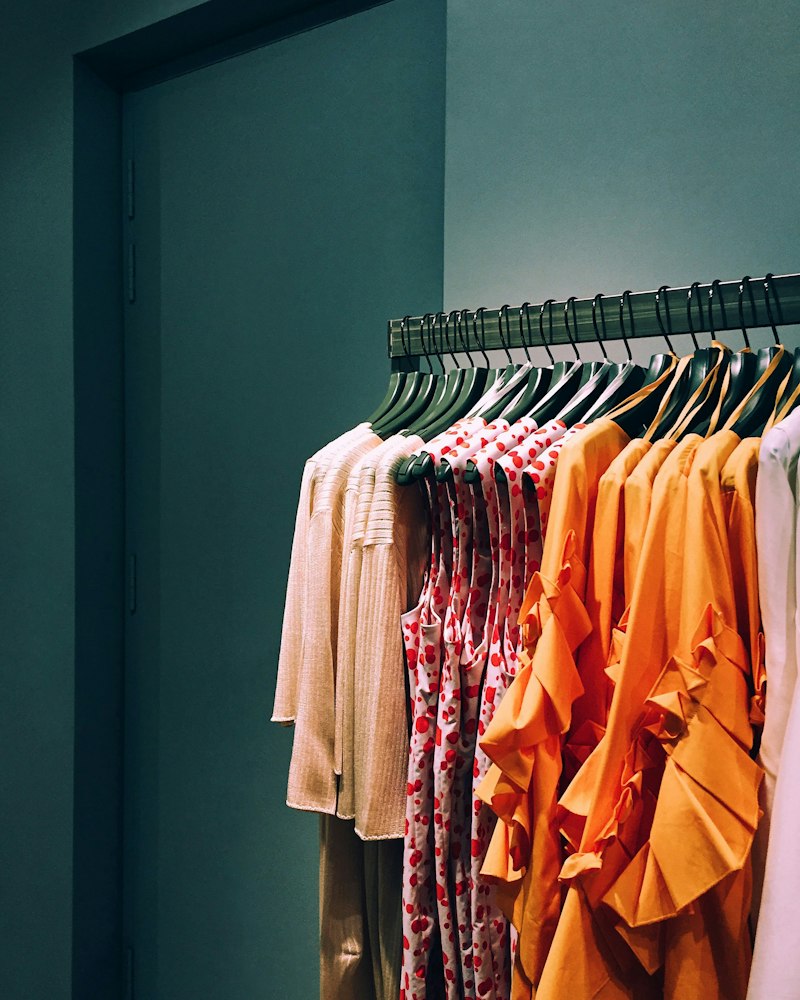
The fashion industry is one of the largest contributors to global carbon emissions, water usage, and textile waste. Buying second-hand isn't just a budget decision — it's one of the most meaningful individual choices in terms of environmental impact. Here's the context, and why platforms like Vinted are part of the solution.
The Scale of Fashion's Environmental Problem
The numbers are stark:
- Fashion accounts for approximately 10% of global annual carbon emissions — more than aviation and maritime shipping combined.
- Around 85% of all textiles end up in landfill or incinerated each year. In the EU alone, that's an estimated 12.6 million tonnes of textile waste annually.
- Producing a single pair of jeans requires approximately 7,500 litres of water — roughly what one person drinks in seven years.
- The average garment is worn only 7–10 times before being discarded in fast-fashion markets.
Fast fashion's business model — cheap, trend-based production designed for short-term use — is the primary driver of this impact.
How Second-Hand Changes the Equation
Every second-hand purchase extends a garment's active life, displacing a new purchase with its full production footprint. Research by ThredUp estimates that buying one second-hand garment instead of new saves an average of 1.4 kg of CO₂, 12 litres of water, and 0.3 square metres of land.
These numbers compound across the lifespan of a garment. A jacket that passes through three Vinted owners has its production footprint divided by three — the environmental cost per wear drops dramatically.
Vinted's Role in the Circular Economy
Vinted is Europe's largest peer-to-peer fashion marketplace, enabling millions of transactions annually that keep clothing in active use rather than landfill. The platform's model — no seller fees, low barriers, and EU-wide reach — makes second-hand more accessible and competitive with fast fashion in terms of price and convenience.
The shift in consumer behaviour is measurable: Euromonitor data shows second-hand fashion growing at 15–20% annually, significantly outpacing new clothing retail. Platforms like Vinted are the infrastructure of this shift.
Second-Hand Is Also Better Value
The environmental argument is compelling — but it doesn't require sacrificing quality or style for buyers who approach second-hand thoughtfully. A €45 Stone Island jacket on Vinted represents far better quality per euro than anything near that price point sold new in a fast-fashion store. The circular economy isn't a compromise — for informed buyers, it's an upgrade.
For Buyers Who Want the Best of Both
Finding quality second-hand items that match exactly what you're looking for is the practical challenge — Vinted has millions of listings, and the best pieces sell fast. Vinted Monitor watches the catalogue in real time, alerting you when listings matching your criteria appear so you never miss the right piece at the right price. It's how you shop sustainably without compromise. See plans →
Further reading
Never miss a listing again
Set up filters once — Vinted Monitor watches the catalog for you around the clock and shows new listings within 10 seconds of being posted. No more manual refreshing, no more "already sold".
See plans & pricing →